Skip to Main Content
Verified

Feedvote vs Helium Rooms

Feedvote is the better choice for Linear teams that want customers to submit and vote, moderate requests before they reach Linear, sync linked work back to the portal, and run unlimited client boards. Choose Helium when read-only client rooms, timeline views, digest emails, and AI-drafted releases matter more than feedback prioritization.

Feedvote logo$49/month or $499/year
Feedvote public roadmap with planned, in-progress, and shipped work
Helium Rooms logo€0, €39/month, or €99/month
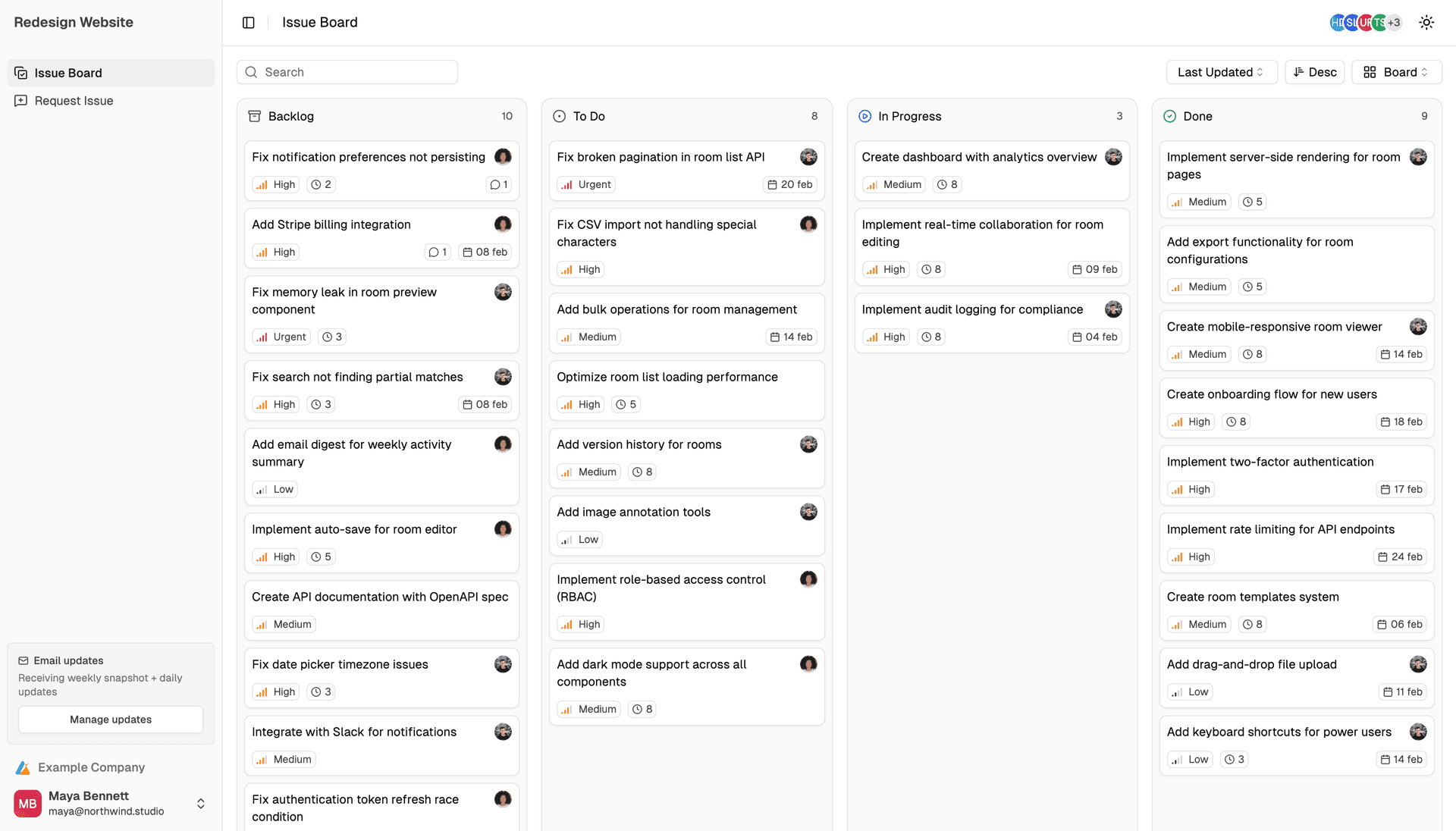
Helium Rooms public roadmap with Backlog, To Do, In Progress, and Done columns
Real product screenshots from equivalent workflows.Feedvote on LinearHelium source

The decision

Pick the workflow, not the longest feature list.

Feedvote and Helium Rooms both publish selected Linear work for customers. The important difference is whether you need a read-only client view or a complete feedback workflow around Linear.The comparison below uses published product documentation and Linear's integration directory, checked on August 22, 2026.

  • Complete feedback loop

    You want customers to submit, vote, and comment in one feedback portal.

  • Moderation before Linear

    You need moderation before feedback becomes public or reaches Linear.

  • Unlimited client boards

    You prefer unlimited client boards on one flat Business plan.

  • Helium fits when

    You mainly need polished, read-only client rooms mirrored from Linear; You want table, board, and time-based roadmap views for each room; You want AI-assisted changelog drafts built from completed Linear issues.

Published pricing

Feedvote Business: $49/month or $499/yearHelium Rooms: €0, €39/month, or €99/month

At a glance

Feedvote vs Helium Rooms vs SteelSync: Capability Comparison

Feedvote, Helium Rooms, and SteelSync all create customer-facing experiences around Linear. Feedvote covers feedback, voting, moderation, roadmaps, and portals; Helium Rooms focuses on branded client rooms; SteelSync focuses on simple Linear boards. This matrix summarizes capabilities verified from first-party sources.

Swipe horizontally to compare all three products.

Feedvote, Helium Rooms, and SteelSync capability comparison, last verified August 22, 2026.
CapabilityFeedvoteHelium RoomsSteelSync
Customer-facing Linear portalYes — documented capabilityYes — documented capabilityYes — documented capability
Public roadmapYes — documented capabilityYes — documented capabilityYes — documented capability
Private customer viewsYes — documented capabilityYes — documented capabilityYes — documented capability
Feature requestsYes — documented capabilityYes — documented capabilityYes — documented capability
Bug reportsYes — documented capabilityYes — documented capabilityYes — documented capability
VotingYes — documented capabilityNo comparable core capability documentedNo comparable core capability documented
CommentsYes — documented capabilityNo comparable core capability documentedYes — documented capability
Feedback moderationYes — documented capabilityNo comparable core capability documentedLimited
Customer groupsYes — documented capabilityLimitedNo comparable core capability documented
ChangelogYes — documented capabilityLimitedLimited
Custom brandingYes — documented capabilityYes — documented capabilityLimited
Linear synchronizationYes — documented capabilityYes — documented capabilityYes — documented capability
Filter and control published workYes — documented capabilityLimitedLimited
Best fitFeedback + roadmaps + portalsBranded client roomsSimple Linear boards

✓ means documented. Limited means available with a narrower scope. — means the reviewed sources did not present a comparable core capability. Last verified .

Workflow details

How Feedvote and Helium handle the work.

These comparisons explain the operational difference behind the table: where requests enter, what reaches Linear, what customers can see, and how they hear about progress.

Feedback and Voting

Feedvote

Customers can submit, comment, and vote in one portal. Native and anonymous voting are included, with unlimited feedback and votes on the Business plan.

Feedvote pricing

Helium Rooms

Helium documents client issue requests and read-only roadmap viewing. Customer voting is not documented on its current homepage, pricing page, or roadmap page.

Helium public roadmap

Moderation and Linear Handoff

Feedvote

Admins can approve feedback before it becomes public or creates a linked Linear issue or project. Supported status updates then sync back to the customer view.

Official Feedvote Linear listing

Helium Rooms

Client requests appear instantly in Linear and the portal is positioned as read-only. A pre-public approval queue is not publicly documented.

Helium Rooms product page

Roadmap Control

Feedvote

One roadmap can combine selected Linear issues and projects, map internal statuses to public stages, and limit work to public or customer-specific audiences.

Feedvote Linear roadmap

Helium Rooms

Rooms offer table, board, and timeline views with week, month, quarter, or Linear cycle columns. Paid plans limit accounts to 10 or 30 rooms.

Helium public roadmap

Customer Updates

Feedvote

Status emails can reach request authors, voters, commenters, and admins. Teams can also publish tagged changelog updates tied to the wider feedback workflow.

Feedvote pricing

Helium Rooms

Helium offers daily or weekly digests and can draft release notes from completed Linear work. This is stronger when automated release communication is the main need.

Helium public changelog

Questions

Frequently asked, plainly answered.

Direct answers about pricing, Linear handoff, voting, and the clearest difference between the products.

What is the main difference between Feedvote and Helium Rooms?

Feedvote is built around a moderated feedback loop with voting, Linear handoff, roadmaps, and changelogs. Helium Rooms is built around branded, read-only client rooms that mirror selected Linear work and add request intake, roadmap views, digests, and release-note publishing.

Is Feedvote or Helium Rooms less expensive?

Helium has a free plan for 1 room, a Pro plan at €39 per month for up to 10 rooms, and Business at €99 per month for up to 30 rooms, excluding VAT. Feedvote Business is $49 per month or $499 per year and includes unlimited client boards, feedback, votes, projects, and team members after a 7-day trial.

Does Helium Rooms support customer voting?

Customer voting is not documented on Helium’s current homepage, pricing page, or public-roadmap page. Helium documents client issue requests and read-only roadmap viewing. Feedvote documents native and anonymous voting.

Is Feedvote an official Linear integration?

Yes. Feedvote is listed in the official Linear integration directory, which documents its public and private boards, two-way status sync, voting, moderation, and Linear issue creation workflow.

Methodology

Sources and verification

Reviewed by the Feedvote product team on August 22, 2026. Claims come from vendor-controlled pages and Linear's integration directory. Linked sources take precedence after that date.

  1. 1.Feedvote pricingCurrent Feedvote Business pricing and included features.
  2. 2.Official Feedvote Linear listingFirst-party Linear directory description of Feedvote sync, voting, moderation, and visibility.
  3. 3.Official Helium Rooms Linear listingLinear directory description of Helium rooms, request intake, filters, accounts, and sync.
  4. 4.Helium Rooms pricingCurrent Helium Free, Pro, and Business pricing.
  5. 5.Helium public roadmapHelium roadmap views, filtering, timing, and live sync.
  6. 6.Helium public changelogHelium release composer, AI drafting, media, and publishing behavior.
  7. 7.Official SteelSync Linear listingLinear directory description of SteelSync boards, webhooks, permissions, roadmap views, and triage.
  8. 8.SteelSync product and pricingSteelSync advertised price, admin limit, and board allowance.
  9. 9.SteelSync 2026 feature overviewSteelSync feedback, voting, and notification description.
  10. 10.Helium Rooms product pageCurrent Helium room, request-intake, access, view, and digest behavior.